
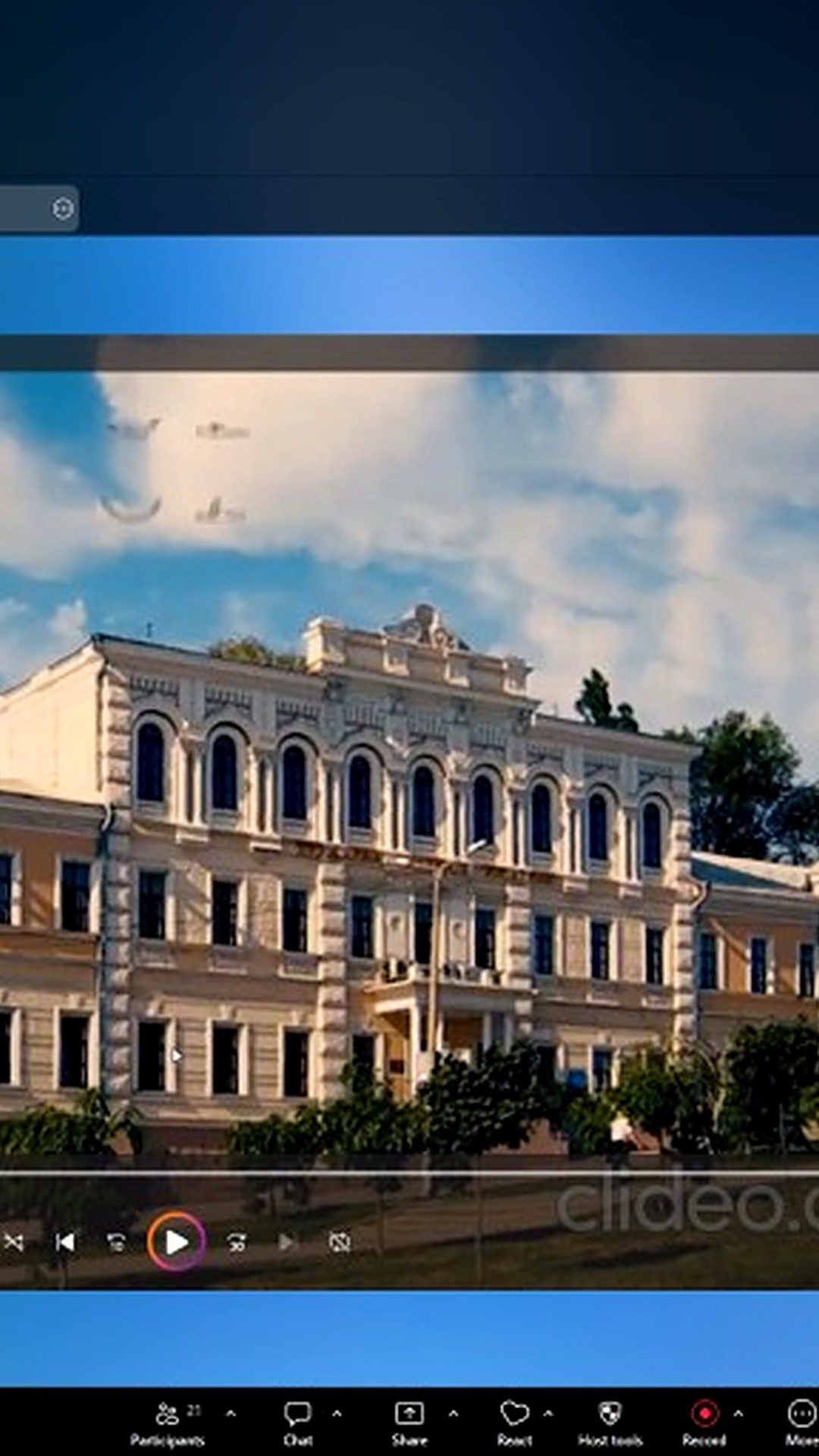
Webinar on Academic Integrity: Who Might Benefit
Kharkiv State Academy of Culture announces a webinar "Implementation of the Law of Ukraine "On Academic Integrity" in the educational and scientific process of KhDAC. The topic may interest students, teachers, researchers, and anyone working with educational or research texts.
What Will Be Discussed
Academic integrity is not only about combating plagiarism. It also involves the rules for preparing coursework, qualification, and scientific papers, proper use of sources, responsibility for one's own results, and honest interaction in the educational process.
The official resource of the academy states that KhDAC has procedures for checking scientific, educational-methodical, qualification, and coursework for signs of academic plagiarism. Surveys and questionnaires are also conducted among participants in the educational and scientific processes regarding adherence to the principles of integrity.
Separately, the academy has regulated the use of artificial intelligence technologies in educational, scientific, and artistic activities. Therefore, the webinar may be particularly relevant for those who want to better understand the current requirements for educational and research work.
Is It Worth Joining?
Yes, if you are studying or teaching at a higher education institution, preparing a scientific publication, or checking student work. This is an opportunity to understand how the law on academic integrity should work not only at the document level but also in daily educational practice.
At the same time, the available announcement does not specify the date, time, connection format, and participation conditions. So, for now, we can confirm the topic of the webinar and the academy's interest in implementing the principles of integrity, but not all organizational details of the event.
Would you be interested in such a conversation — as a student, teacher, or author of your own research?