The sixth edition of the Kyiv Biennale is not just one exhibition in one hall, but a traveling European project unfolding in several cities. If you are interested in contemporary art that speaks about memory, displacement, belonging, and how our perceptions of Europe are formed, it is truly worth a visit here.
What is this event
The Kyiv Biennale celebrates its tenth anniversary. The sixth edition is organized in collaboration with L’Internationale — a European confederation of museums, art institutions, and universities.
This time, the project again retains the traveling format initiated by the previous edition. Exhibitions and public programs take place in various European locations, while the Kyiv context remains the central point of the entire event.
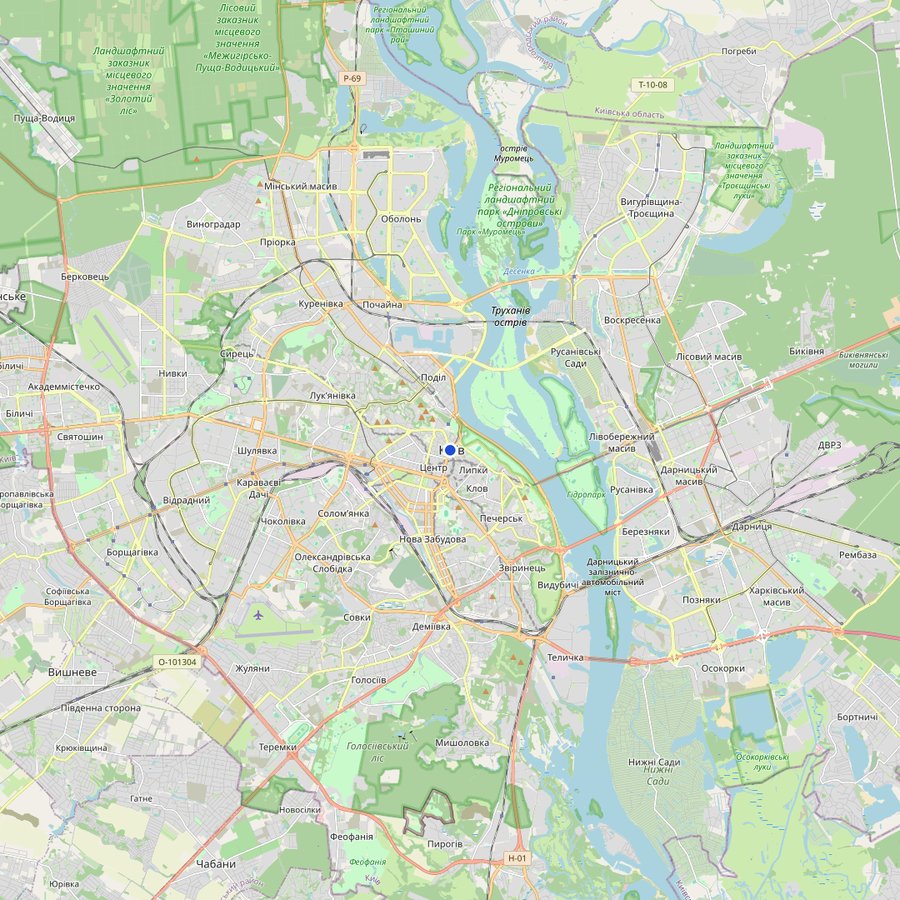
The main exhibition is held at the Museum of Modern Art in Warsaw. The program also includes partner exhibitions at M HKA in Antwerp and the Lentos Museum in Linz. In Kyiv, related venues include the Dnipro Center for Contemporary Culture and the Dovzhenko Center.
What to expect
The Biennale combines exhibitions, art commissions, discussions, and live programs. The Warsaw part features over ten new works, pieces from the collections of consortium members, and international loans.
This event is not so much about "beautiful objects" as it is about the conversation between different experiences and regions. Individual programs explore memory, the experience of displacement, and the feeling of home, while also offering a new perspective on the connections between Ukraine, Europe, the Baltics, the Mediterranean, and Asian countries.
Therefore, the Biennale may appeal even to those who do not often visit galleries. There is space for lectures, discussions, and live events, where not only the finished exhibition is important, but also the opportunity to hear different voices and form your own vision.
Is it worth going
Yes, if you want to see how Kyiv is present in the international art dialogue and are ready for a leisurely immersion instead of quick entertainment. The multi-city format means that it will not be possible to fully cover the program in one day, but each location has its own rhythm and emphasis.
In Kyiv, it is best to perceive the Biennale as an opportunity to discover modern cultural spaces and events, rather than as one traditional exhibition. If you are close to themes of memory, identity, and how art helps to speak about complex experiences, this is a good point for an urban route.
Would you go to the Biennale for the exhibition, the discussion, or just to discover a new Kyiv location?