Musée Nissim de Camondo: the Parisian house where the museum begins even before the exhibition
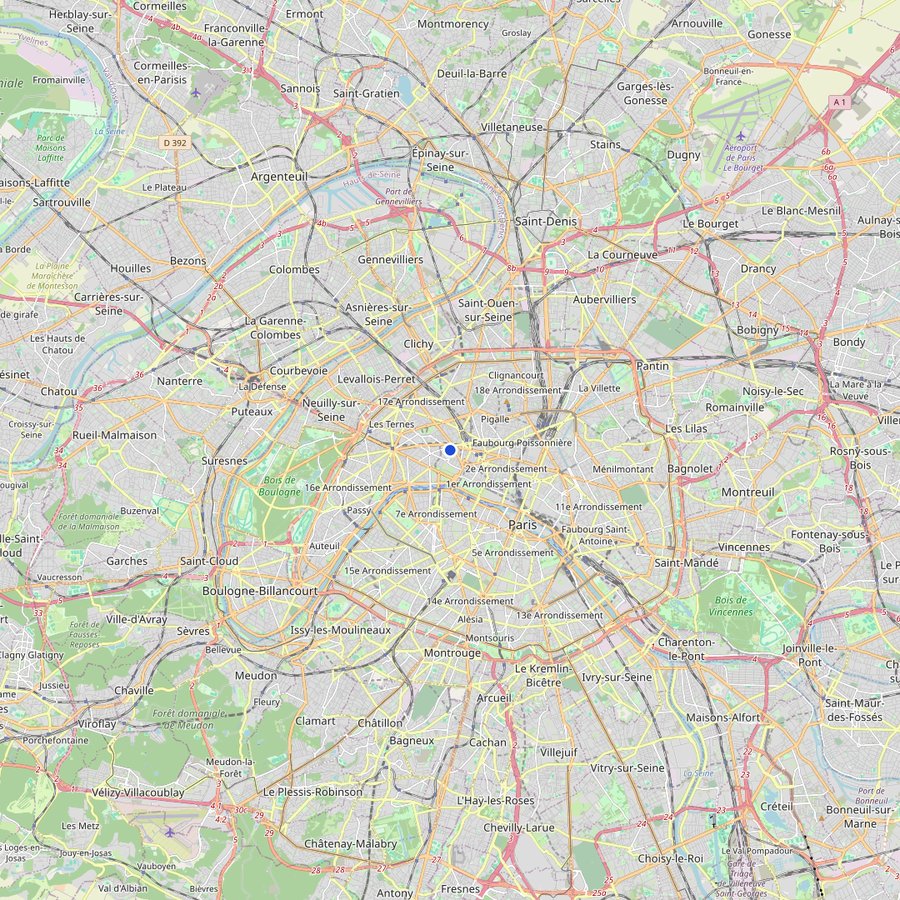
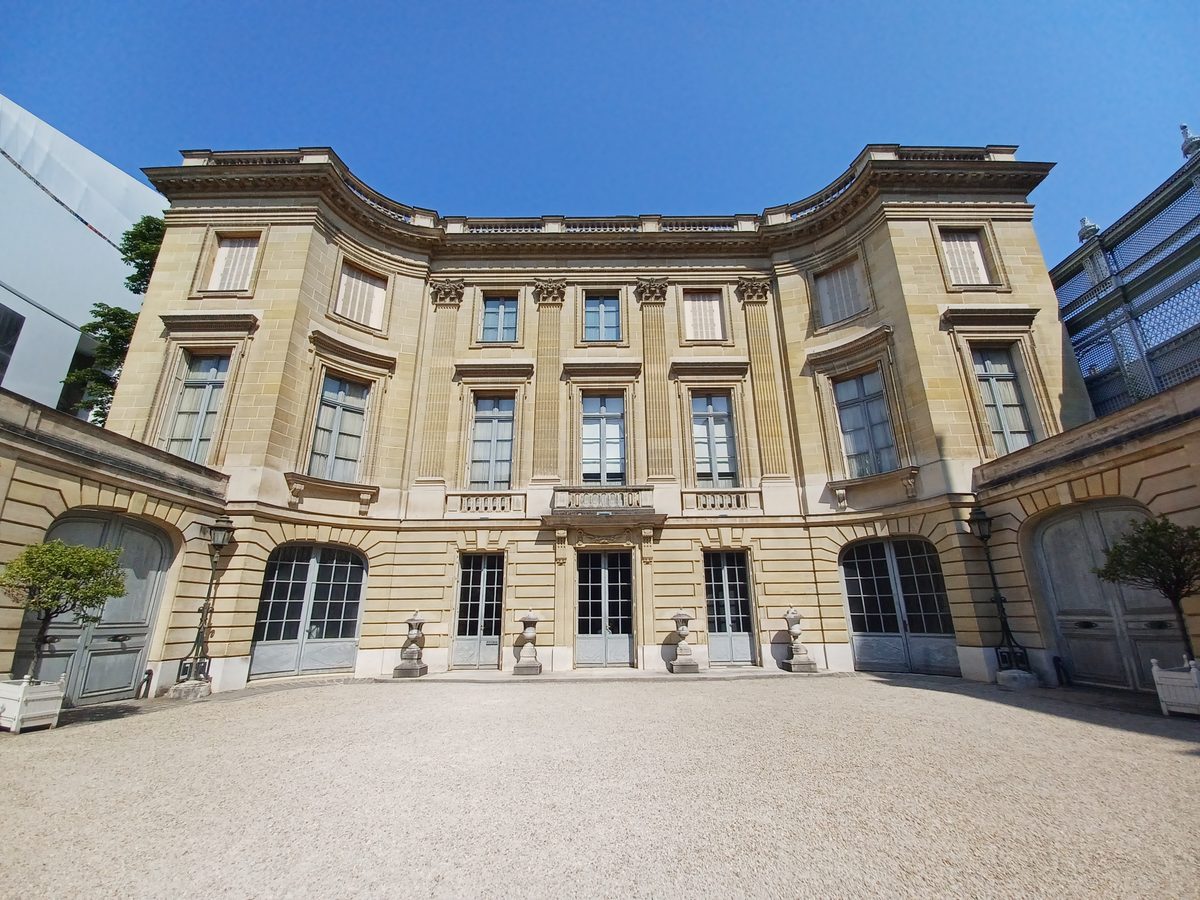
If you enjoy not just individual paintings, but complete stories about the lifestyle, taste, and life of a wealthy family, the Musée Nissim de Camondo is worth a visit. This decorative arts museum in Paris is set in a former mansion on Monceau Street, where the building itself is almost the main exhibit.
What you will see
The mansion was built in the early 20th century for Moïse de Camondo, designed by architect René Sergent. The house was created to house a large collection of French furniture and art objects from the 18th century, while the interiors have retained the appearance of a private home.
Here you can see the grand rooms, family spaces, and kitchen areas. The collection includes furniture, textiles, tapestries, and other items that help envision the daily life of a French aristocratic and upper-middle-class family. The impression is formed not only by individual items: you feel as if you are walking through a real house, where each room is thoughtfully designed as part of a unified ensemble.
The museum is named after Nissim de Camondo, the son of Moïse, and was opened to visitors in 1936. Because of this, the visit has a personal dimension: behind the luxurious interiors lies the story of a specific family and its collector's passion.
Who should visit
The museum will particularly appeal to those interested in interior design, the history of furniture, architecture, and the details of everyday life. It’s a good option if, after visiting the large Parisian museums, you want something more intimate and less like a typical exhibition hall.
At the same time, it’s not advisable to plan a spontaneous visit right now: the museum is closed for renovation from August 4, 2024, and is expected to reopen at the end of 2029. So for now, it’s more of a place for a future Paris itinerary or a stroll near Monceau Park than an accessible museum stop.
If you are in the area, pay attention to the mansion itself and the atmosphere of Monceau Street — even the exterior of the building gives an idea of why the museum cannot be separated from its historic home. And when the renovation is completed, it could become a wonderful place for a leisurely stroll for a few hours.
Would you visit a museum where the main exhibit is an entire preserved house?