Introduction
If you crave a grand, emotional opera for a Sunday, then "La Traviata" at the National Opera of Ukraine is just the case where the classic sounds free of museum dust. The performance will take place on June 21, 2026, at 3:00 PM, the show is in Italian, and it concludes at 6:00 PM, so you have a performance of about three hours, which is well-suited for both a first acquaintance with Verdi and for those who love strong voices and beautiful stage drama.
This is a 4-act opera with a libretto by F. Piave, based on Alexandre Dumas fils' drama "The Lady of the Camellias," and the Kyiv production already has its stage history: its premiere at the National Opera took place on October 29 and 30, 2022. If you enjoy performances that leave you wanting to silently stroll down the boulevard and reflect, "La Traviata" perfectly captures that mood.
About the Event
"La Traviata" in this poster is the opera by Giuseppe Verdi staged by the National Opera of Ukraine, performed in Italian. For the audience, this is an important detail: even if you do not know the language, the plot in such a performance is usually conveyed through music, mise-en-scène, and dramatic expressiveness, and the story itself is well-known enough to easily grasp its emotional core.
The performance starts at 3:00 PM and is scheduled to end at 6:00 PM. The official theater page does not specify the number of intermissions in this fragment of the poster, so it is better to orient yourself to the overall pace of the evening and allow time for arrival, wardrobe, and breaks between acts.
In the repertoire of the National Opera, this is one of those named performances that regularly attract both connoisseurs of "grand" classics and people who simply want to see a strong stage story without excessive complexity. It is in "La Traviata" that the balance between the beauty of music and a very human, almost painfully close drama works well.
Plot and Mood
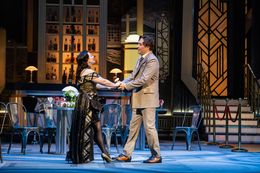
The plot of "La Traviata" revolves around Violetta Valéry — a woman who lives among glamour, receptions, and high society but gradually confronts a feeling that changes her life. On stage, there is both celebration and lightness, and a sudden silence when the external glamour begins to crack under the weight of true feelings. This is a story not only about love but also about choice, self-sacrifice, and the price of happiness.
The first scenes begin in Violetta's lively home, where guests are entertained, and Alfredo appears in her life for the first time as someone who speaks to her not in the language of social flirting but in the language of sincerity. It is this contrast — between the noisy salon and a very personal internal breakdown — that makes the opera so alive. The emotional tension only rises from there, and the performance gradually shifts from light glamour to a much more tragic sound.
- The first act is dominated by light, movement, and a festive atmosphere.
- The story then shifts towards personal drama.
- The final emotional tone is tragic and very human.
Production
The production at the National Opera was directed by Anatoliy Solovyanenko as the stage director, and Mykola Dyadyura as the conductor. The choral work is overseen by Victoria Savenko, the set designer is Andriy Zlobin, and the costumes were created by Hanna Ipatyeva. For the audience, this means a performance with a distinct theatrical language, where both vocals and stage presence, as well as visual beauty, matter.
The cast for the upcoming performance includes, among others, Liliya Grevtseva and Olga Fomichova as Violetta, Dmytro Ivanchenco and Dmytro Kuzmin as Alfredo, and Hennadiy Vashchenko and Oleksandr Melnychuk as Giorgio Germont. The current conductor of the performance is also specified on the performance page — Victor Oliynyk.
In terms of visual sensation, this is not a chamber story but a grand stage opera with ballet and mass episodes, luxurious social scenes, and a contrast between festive appearance and tragic internal lines. If you enjoy performances that evoke the feeling of a grand theater with full orchestral and choral scale, you will find it here.
How to Get There, Duration, and Intermissions
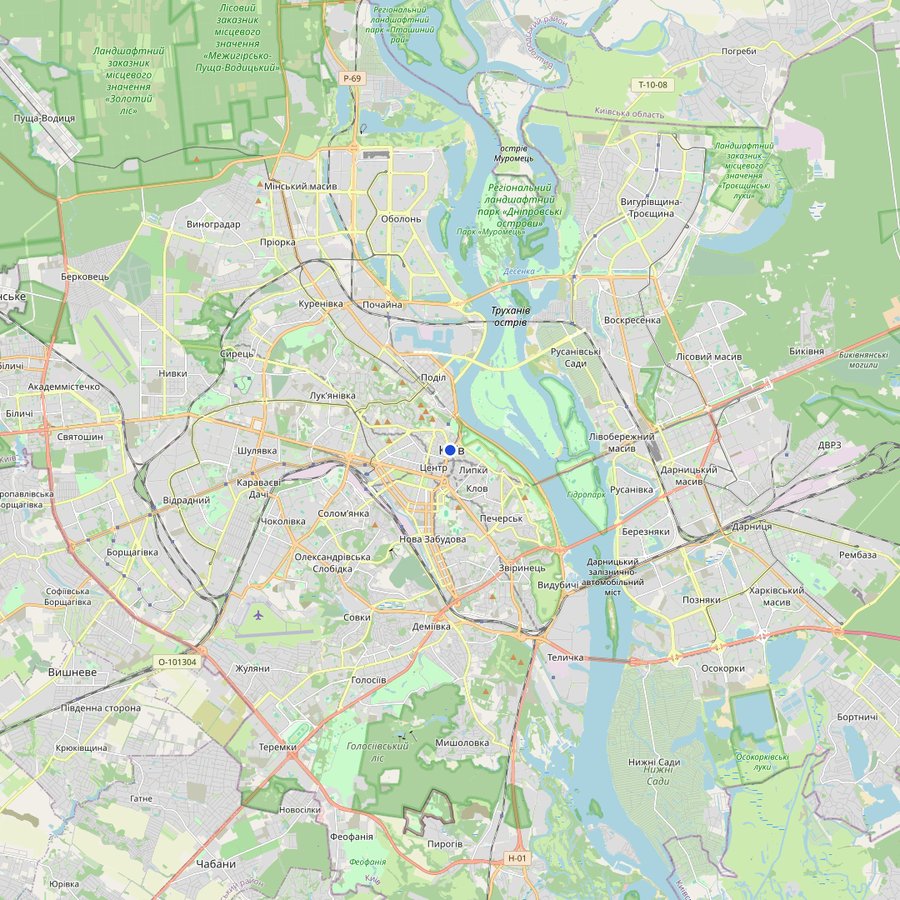
The National Opera of Ukraine is located in the center of Kyiv, making it a convenient point for an evening or daytime performance, especially if you plan to stroll before or after the show. The official theater page confirms that the show starts at 3:00 PM and ends at 6:00 PM, so you should allocate time not only for the performance itself but also for arrival and departure from the city center.
The exact number of intermissions in the provided fragment of the official poster is not specified, so it is better to plan for a full theater evening with a break for rest, water, or coffee. If you are going for the first time, it is advisable to arrive a bit earlier to leisurely go through the wardrobe and take your seats before the start.
Prices and Audience
As of this poster, prices are not listed on the official theater page, and various categories of seats can be expected through the ticket link; for similar performances in large theaters, tickets usually start from a few hundred hryvnias and increase depending on the seat in the hall. This is a good option for a date, for going with friends, or for an audience member who wants to finally see a classic opera not in abstraction but "live."
If you love narrative performances with a strong emotional degree, you won't be bored: "La Traviata" captivates not only with music but also with the drama that is easy to experience alongside the characters. And if you are going for the beautiful visuals, there is both the luxury of the stage and theatrical expressiveness, as well as the sense of a grand operatic form that works well even without deep preparation.
Audience Tips
For such a performance, it is better to arrive early so as not to enter the hall in the last minutes before the curtain rises. For the National Opera, a restrained, neat dress code is appropriate: evening dresses or suits are not mandatory, but the theater certainly asks for a bit more attention to appearance than a regular trip to the cinema.
During the intermission, it's nice to take your time: you can admire the interiors, relax, grab a drink, and simply let the performance "settle" before the second part. If you love opera for the atmosphere as much as for the music, "La Traviata" provides just the occasion when the evening at the theater becomes part of the experience. What mood suits you best this time — a calm daytime outing to the classics or a theatrical evening with a sense of a special event?