Introduction
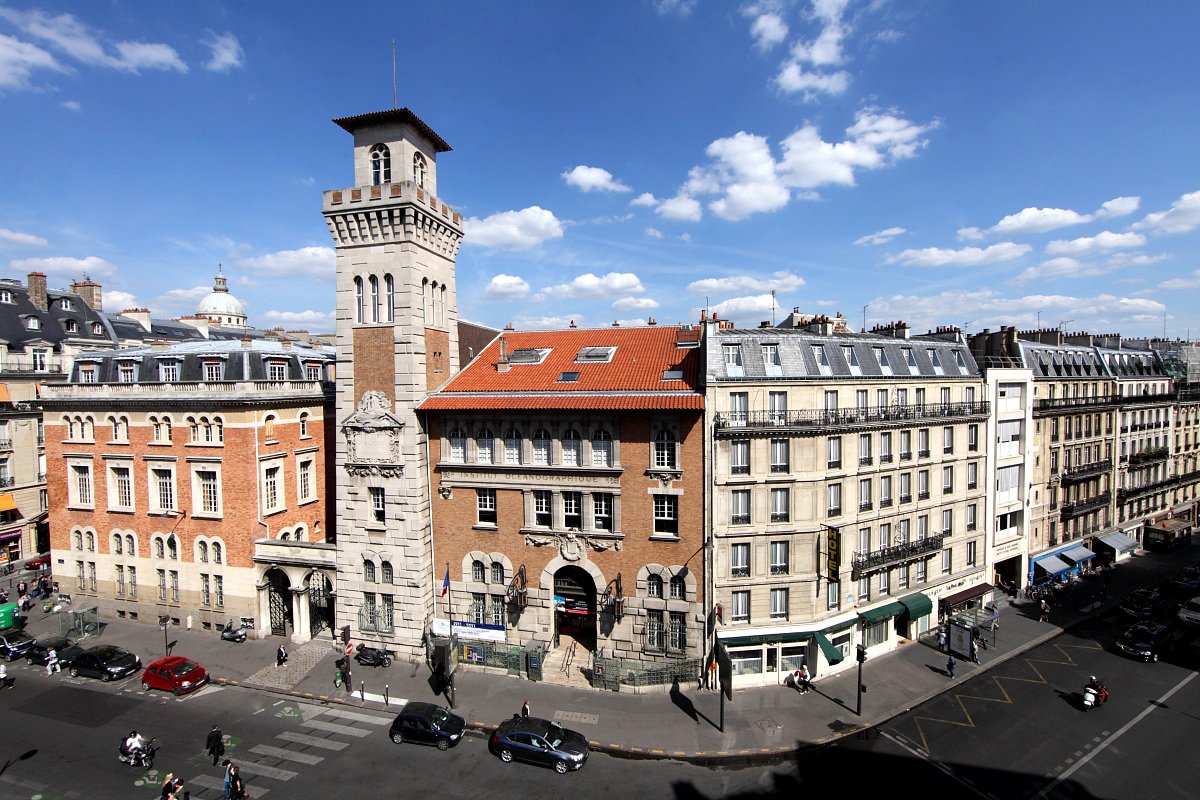
Institut Océanographique de Paris, which is more commonly known today as Maison de l’Océan, is not just a beautiful historical building in the Latin Quarter, but also a place with a very distinct mission: to popularize the ocean, its science, and protection. It stands at 195 rue Saint-Jacques in the 5th arrondissement of Paris, literally in the university heart of the city, making it easy to drop by between a stroll through the Sorbonne, Luxembourg Gardens, and the streets around Luxembourg metro station. It’s a great choice if you enjoy places where architecture, science, and urban atmosphere do not conflict but work together.
In short: you should come here not for a "wow-attraction" in the classic tourist sense, but for a special Parisian building with character and meaning. There is no museum-like stillness here, but a living institution that still operates as a space for events, conferences, and educational initiatives.
About the place — what it is, history, and significance
The Institut océanographique de Paris was founded in 1906 by Prince Albert I of Monaco as an oceanographic institution linked to the broader scientific and educational ecosystem of Monaco. This institution is behind two important addresses — the oceanography museum in Monaco and the Maison de l’Océan in Paris, making the Parisian building part of a larger story about the exploration and protection of the seas.
The building in Paris was recognized as a historical monument in 2004, and in 2011, on its centenary, it was renamed Maison de l’Océan. This well explains its status: before you is not just a beautiful facade, but a place that has both symbolic weight and real scientific heritage. The university environment only enhances this impression — the building is naturally integrated into an area where science has always been part of the urban landscape.
What to see and do — main highlights
The most interesting aspect here is the building itself and its atmosphere. Maison de l’Océan operates as a space for lectures, conferences, events, and meetings, so inside it lives not only as an architectural object but as a functioning institution. If you love places with intellectual charm, where the air seems to carry a trace of the old academic Parisian era, you will enjoy it here.
A separate plus is that the building has various halls and spaces for events, including a theater hall, council room, exhibition hall, Léon Laugier salon, library, and other meeting rooms. For a visitor, this means that the place is not reduced to "just looking at the facade and leaving," but can provide a sense of a full cultural space if you happen to attend an event or an open program.
How to get there
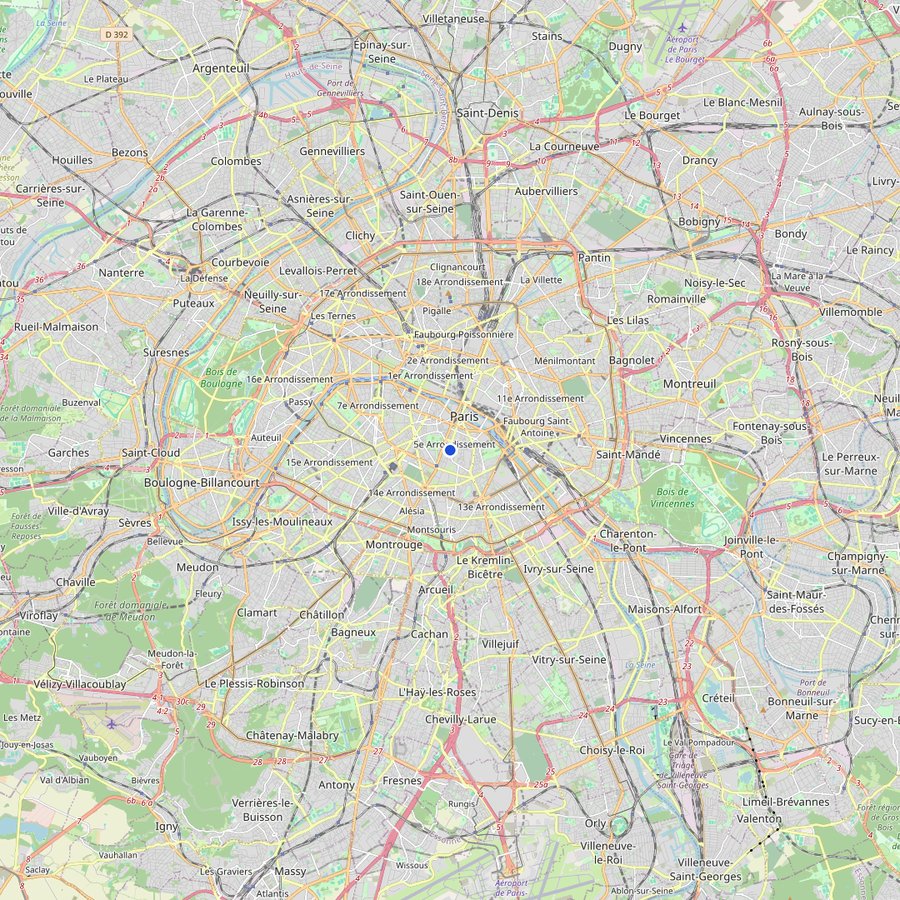
The address is very simple: 195 rue Saint-Jacques, 75005 Paris. This is the 5th arrondissement, in the Latin Quarter, near Luxembourg Gardens and the RER B Luxembourg station. Sources also mention the metro stations Monge and Cluny – La Sorbonne, as well as bus lines 21, 27, 38, 82, 84, 85, and 89.
If you are walking through the center of the left bank, it is quite possible and even pleasant to reach here on foot: this is the type of address you want to arrive at without haste to feel the area itself. The university environment around Rue Saint-Jacques and the proximity to several academic and cultural points can serve as a landmark.
Hours and prices
On the official pages available for this article, the building is primarily presented as an event and reservation space, rather than a classic museum with a permanently open exhibition. Open sources mention visiting hours for the building from Monday to Friday from 10:00 to 12:30 and from 13:30 to 17:30, but this pertains to general access to the place as a venue, not necessarily all internal spaces or events. There is no clear basic entry price mentioned in the open official pages found.
So the most honest advice here is: if you plan to visit inside, it’s better to focus on a specific event or access method, rather than the format of "a regular museum with a ticket office at the entrance." For a spontaneous walk, the building and the area around it are also quite worth your attention.
For whom
For a date, this is a good place if you prefer not to visit typical tourist spots, but rather a bit more intellectual, calm locations with a beautiful backdrop for conversation. For a family, it is more suitable as a short cultural stop or a venue for an event than as a long children’s route. For friends — especially those who love Paris beyond the obvious routes — this is a very successful address.
The overview of the building and the surrounding atmosphere will take about half an hour to an hour, and if you are going to an event or open program, allow more time. This is not a place you need to rush to for the whole day, but it works well as part of a thoughtful route through the Left Bank.
Visitor tips
The best time to come here is during the day on a weekday when the area lives at its calm academic rhythm. It is then that the building reads best: without evening hustle, without unnecessary noise, with the opportunity to observe it as a historical urban object, not just an address on a map.
If you are nearby, it makes sense to combine your visit with a walk through the Latin Quarter, Luxembourg Gardens, or a route between the Sorbonne and the adjacent streets. And one more little tip: here it is most pleasant not to rush, but to give yourself a few minutes just to look at the building and feel how it combines Paris, science, and the marine theme in one place.
Do you like such quiet historical addresses with character, or do you prefer museums where there is an immediate "big wow effect"?