St Magnus the Martyr: a church that’s easy to miss — and that would be a shame
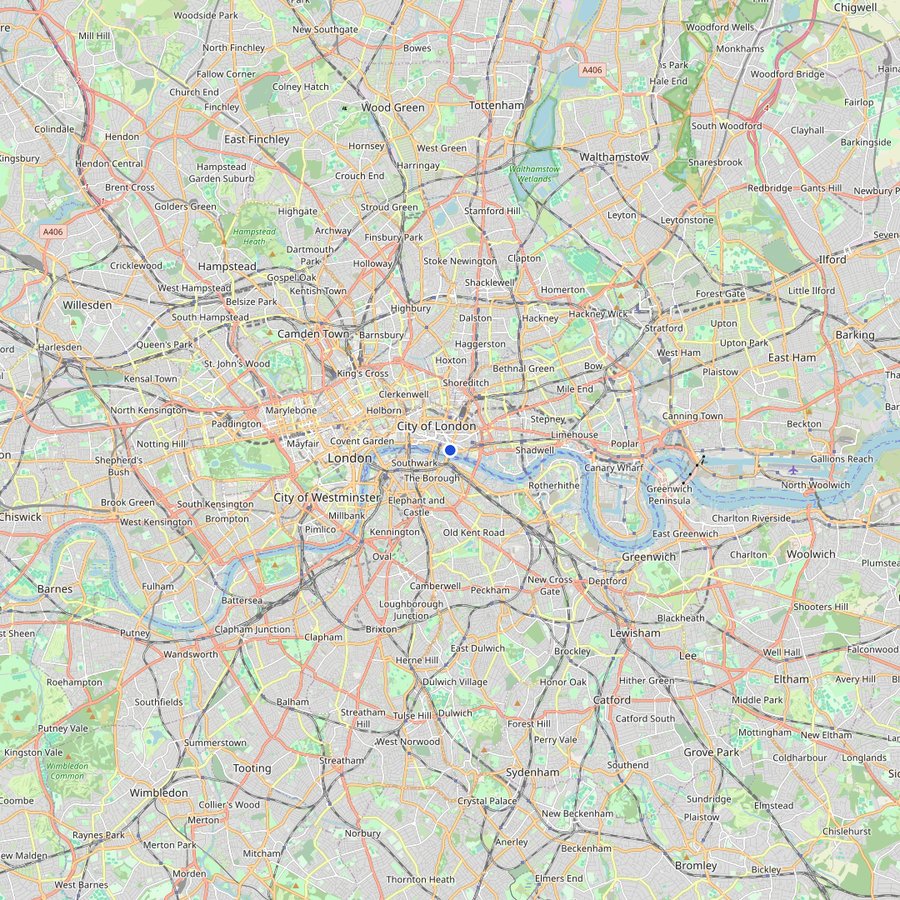
St Magnus the Martyr stands on Lower Thames Street in the heart of the City of London, literally next to The Monument and not far from where the northern end of the old London Bridge once was. This is not just "another old church" in the city center, but a living parish church of the Church of England that combines medieval history, the rebuilding of Christopher Wren’s era, and a very recognizable, intimate atmosphere. If you love places where London feels layered — Roman, medieval, baroque, and modern — you will almost certainly enjoy it here.
This is a good option for those who want to see something authentic, without queues and without museum "sterility." Inside, there are things that resonate not as decor, but as proof of the city’s continuity: a model of the old London Bridge and a fragment of the so-called Bridge Wall, a Roman wall related to the history of the river crossing over the Thames. Moreover, this is a place where history hasn’t frozen in the past — services are still held here, so the space is alive, not just "on display."
About the place — what it is, history and significance
The current building of St Magnus the Martyr dates back to the 17th century and was rebuilt after the Great Fire of London by architect Christopher Wren. This is why the church has that restrained yet very characteristic Wren dignity: without excessive grandeur, but with a sense of urban weight and order. For the City of London, it is not only a landmark but also one of the important traces of how the city recovered after the disaster.
The church’s name refers to Saint Magnus of Orkney, and the temple is associated with an ancient tradition in this area by the bridge over the Thames. The site was significant also because it stood at the entrance to the city from the river: here, trade, religion, and daily urban movement intersected. This is why St Magnus the Martyr is often perceived not just as a beautiful church but as a point where you can literally read the history of London in stone.
What to see and do — main highlights
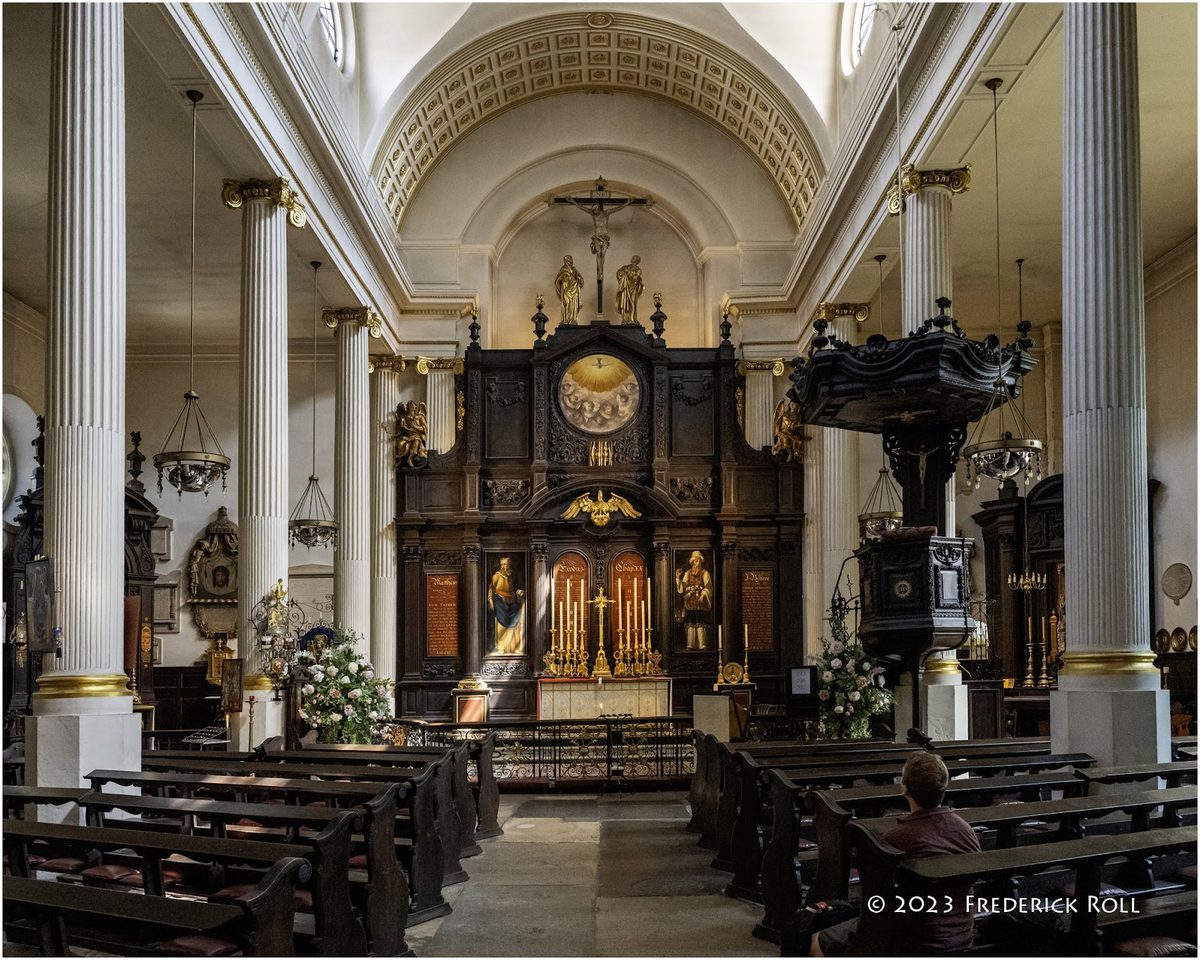
Start with the building itself: it doesn’t shout about itself, but it’s worth a careful look. The interior space impresses with how it combines church solemnity and a sense of the old city that has survived in human memory, even if not in its original form. It’s good to just stand for a few minutes in silence, as this is how the church reveals itself best.
The most interesting object for many visitors is the model of the old London Bridge. It helps to imagine how different this place was before the reconstructions and modern riverside logic: the bridge was not just a crossing but a dense urban world. Another important detail is the fragment of the Roman Bridge Wall, which reminds us that the history of this corner of London is much deeper than the Wren era.
If you love to "read" the city through its landmarks, it’s worth taking your time here. St Magnus the Martyr is not a temple that can be taken in at a glance; it unfolds through small details, texts, space, and the context around it. After exploring the church itself, it’s good to step out onto Lower Thames Street and look at the connection with The Monument and the river direction of the city — then it becomes clear why this place has been so important for centuries.
How to get there — full address, metro/transport, landmarks
The church address: Lower Thames Street, London EC3R 6DN. The most convenient landmark is The Monument, which is located very close, so if you’ve already reached this landmark, it’s literally just a few minutes’ walk to St Magnus the Martyr. It’s also a very convenient point for a walk within the City of London, especially if you plan a route along the Thames or through the historic center.
The best way to get here is by walking from the nearest stations in the Monument / London Bridge area, as the location is more convenient as part of an urban walk rather than as a separate "trip to the edge of the city." The church stands by a busy transport artery, but inside it feels surprisingly calm.
Hours and prices — schedule and entry cost
Officially, the church is usually open to visitors on Sunday from 10:00 AM to 1:00 PM, and from Tuesday to Friday from 10:00 AM to 4:00 PM. It is usually closed on Saturday and Monday. On Sunday at 11:00 AM, there is High Mass, and on weekdays, there is usually Low Mass at 12:30 PM, so the space is not just opened for viewing but is actively used as a functioning church.
Regarding entry, the official information found for this place does not indicate a fee for visiting, so it would be most honest to say this: the cost of visiting is not specified in publicly available information. If it is crucial for you to avoid overlaps, it’s better to plan your visit during the official opening hours, as in functioning churches the schedule can sometimes change due to services or events.
For whom — date / family / friends; how much time to allocate
For a date, this is a very good place if you want a non-banal route, a short but meaningful walk with conversation. The atmosphere here is calm, a bit contemplative, and very "London" without tourist noise, so after the visit, you can easily transition to coffee or a walk by the river. For friends who love history, this is also a fitting stop: not too long, but with a good "wow effect" from the details.
Families with children will find it interesting here if the kids love old buildings, legends, and models, but it’s worth understanding that this is primarily a functioning church, not an interactive museum. For a calm visit without haste, allocate about 20–40 minutes, and if you love to examine architecture and read historical context, it may take a bit more time.
Tips for visitors — when is best, what’s nearby, life hacks
The best time to come here is on weekdays during the day when the church is open and not overcrowded. If you want to experience the place without excessive movement, choose a time between services, rather than minutes before them or right during the service when the viewing part may be less convenient. For photos and leisurely exploration, daylight hours are usually best, especially if you want to capture both the church and the urban context around.
It is worth combining your visit with The Monument, and then, if you have time, take a stroll towards London Bridge or along the Thames. This connection makes St Magnus the Martyr a particularly successful stop: you see not just a separate landmark, but a whole piece of the city where the history of London is vividly read. If you like places that don't shout about themselves but leave a lasting aftertaste, won't you add St Magnus the Martyr to your itinerary?