At Villa Giulia, it's easy to pop in "for an hour" and stay longer: it is both a luxurious Renaissance villa and a museum where you can see Etruscan art not in a textbook, but up close. If you are interested in ancient civilizations or just want to take a break from the Roman crowds in a beautiful place, the museum is worth a separate visit.
About the Place
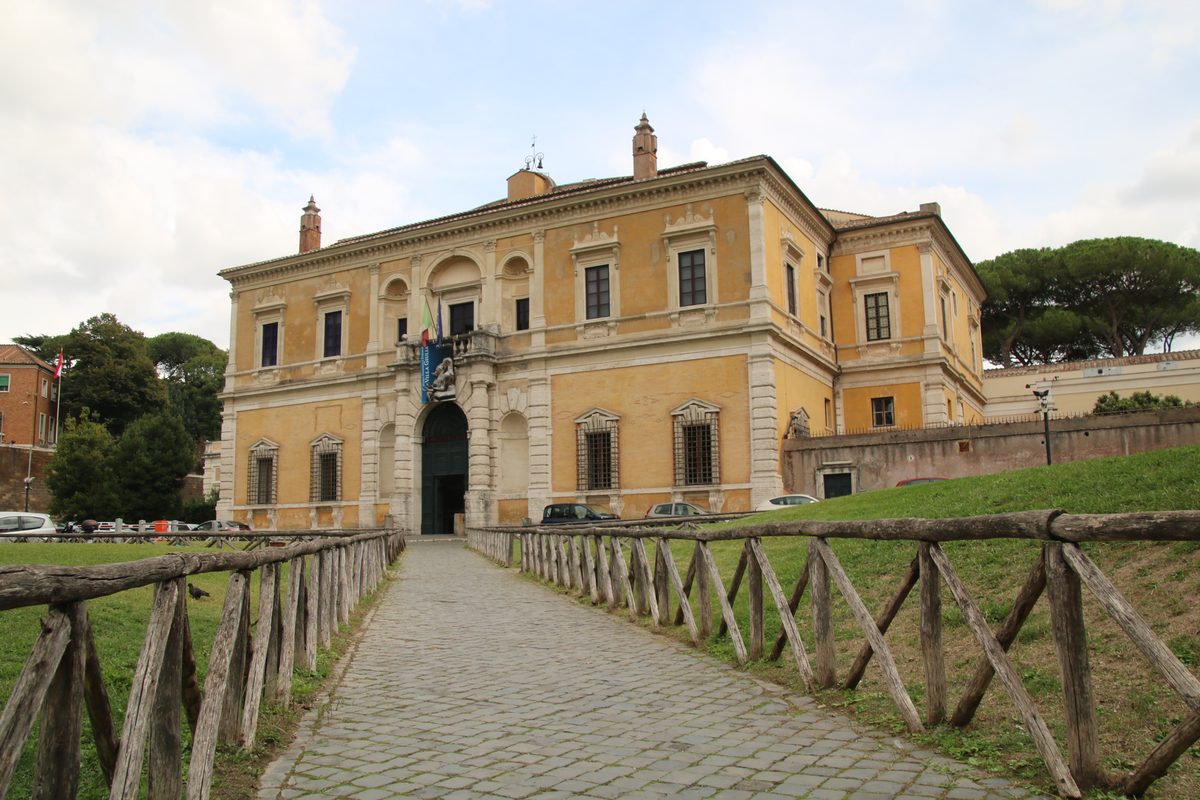
The villa was built between 1551 and 1553 for Pope Julius III when this area was on the outskirts of Rome. Today, the National Etruscan Museum operates within its premises — one of the best ways to get acquainted with the culture of the people who lived on the Apennine Peninsula before Roman rule.
Here, the collection is not the only important aspect: the villa itself is part of the experience. The grand spaces and garden remind you that you have come not just to museum halls, but to a 16th-century country residence created for the papal court.
What to See and Do
The museum's most famous work is the "Sarcophagus of the Spouses," dated around 530–520 BC. In fact, it is a terracotta funerary urn: on the lid, a couple is depicted reclining on a couch, as if during a banquet. Pay attention to the closeness of the figures and the expressions on their faces — the scene looks remarkably alive for a work created over two and a half thousand years ago.
Don't rush from showcase to showcase: take a closer look at the ceramics, jewelry, and funerary items that tell about the everyday customs and beliefs of the Etruscans. For self-guided tours, there is an audio guide available in several languages at the museum's bookstore; the museum also conducts tours and family workshops.
How to Get There
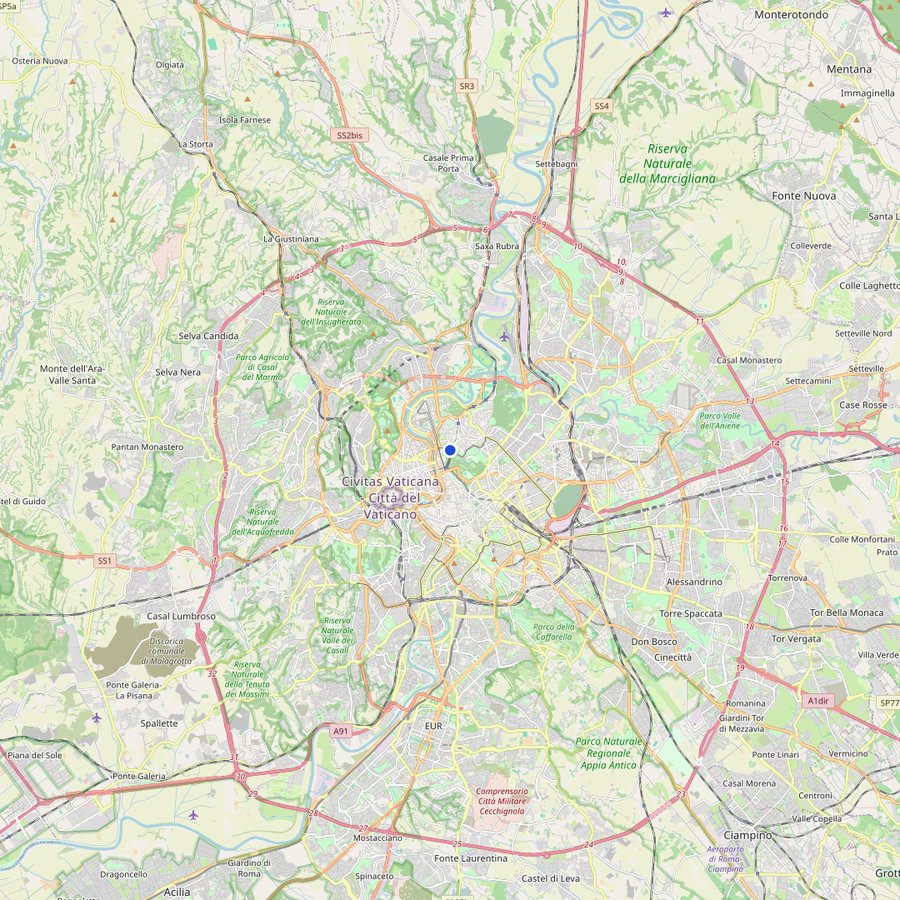
The museum's address is Piazzale di Villa Giulia, 9, 00196 Roma. Trams No. 2, 3, and 19 go to the area; from Flaminio metro station on line A, it’s about a 14-minute walk to the museum. If you plan a route from the center, it’s convenient to combine the visit with a walk towards Villa Borghese.
Hours and Prices
The museum is open from Tuesday to Sunday from 8:30 AM to 7:30 PM; the halls close at 7:00 PM, and the last entry is at 6:30 PM. A full ticket costs 13 euros, and a reduced ticket costs 2 euros. On the first Sunday of the month, as well as on April 25, June 2, and November 4, entry is free; on such days, it’s better to allow extra time for a potentially larger number of visitors.
For Whom
Villa Giulia is suitable for those who love archaeology, art, and historical interiors but do not want to limit themselves to the most famous sights of Rome. There is plenty to talk about on a date here, and families may find special materials and workshops for children useful. It is worth setting aside at least a couple of hours for the visit, especially if you plan to use the audio guide.
Visitor Tips
Come early if you want to calmly walk through the halls: the museum is open until the evening, but the last entry is at 6:30 PM, and the exhibitions start closing even before that. Check the museum's current announcements before your visit: certain halls or parts of the route may be temporarily unavailable.
After the museum, you can continue your walk towards Villa Borghese or simply take a break in the green part of the city. Do you prefer to explore such places on your own or with an audio guide?